XiangShan: An Open Source Project for High-Performance RISC-V Processors Meeting Industrial-Grade Standards
Abstract
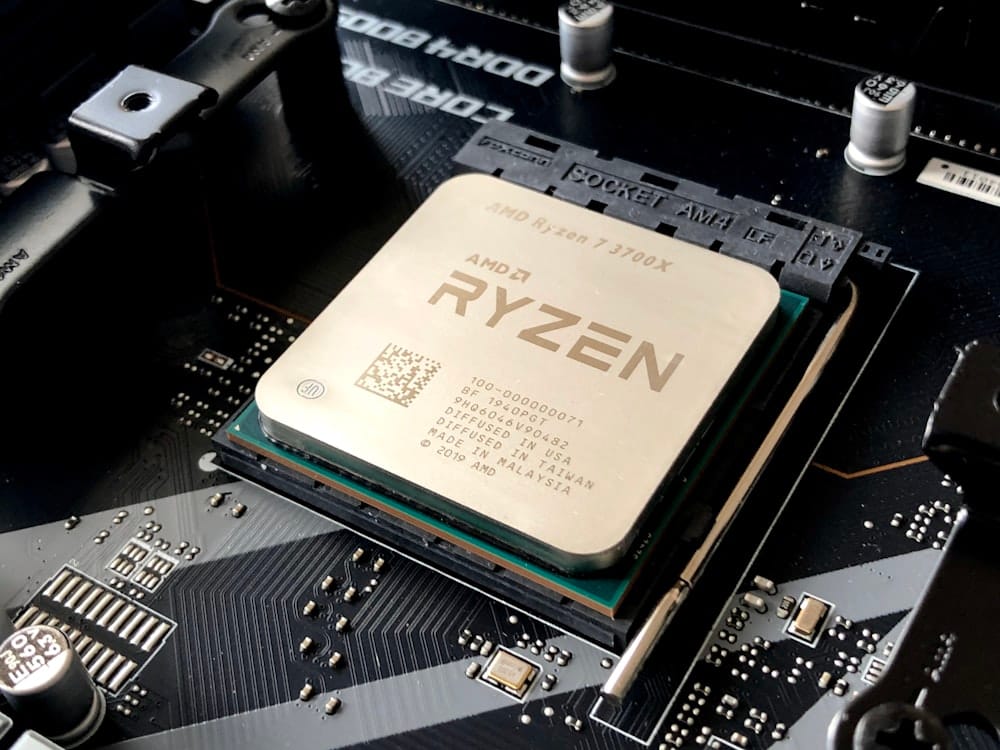
The XiangShan project introduces a major open-source initiative dedicated to building high-performance RISC-V processors. Crucially, the design targets industrial-grade standards, ensuring the necessary reliability and robustness for commercial viability. This effort signifies a crucial maturing of the open-source hardware landscape, offering a critical foundation for advanced computing solutions.
Report
Structured Report: XiangShan
Key Highlights
- Industrial-Grade Focus: XiangShan aims to close the gap between academic RISC-V designs and commercial necessities by ensuring the processor meets stringent industrial standards for reliability, verification, and performance.
- High-Performance Target: The project is focused on creating cores competitive with modern high-end proprietary designs (such as complex ARM and x86 cores) rather than simple embedded solutions.
- Fully Open Source: By maintaining an open-source development model, XiangShan enables unparalleled transparency, collaborative improvement, and freedom for commercial entities to build derived products without prohibitive licensing costs.
- Ecosystem Driver: As a flagship open-source project, it provides a crucial reference design and testing platform for the RISC-V ISA extensions and toolchain development.
Technical Details
While specific microarchitectural generations (e.g., Nanhu, Kunlun) would have detailed differences, the core technical approach of XiangShan typically involves:
- Architecture: Complex, deep Out-of-Order (OOO) execution pipeline designed for high Instructions Per Cycle (IPC).
- ISA Support: Full support for the RISC-V 64-bit Instruction Set Architecture (RV64GC) and likely advanced extensions like Vector (V) or Bit Manipulation (B).
- Verification Methodology: The project places significant emphasis on robust verification flows, utilizing advanced formal verification methods and extensive test suites (like compliance tests and randomized instruction generation) to achieve industrial-grade quality.
- Memory System: Features large, complex cache hierarchies (L1, L2, L3) and advanced branch prediction units necessary for maximizing performance in server and high-end desktop applications.
- Implementation Language: Typically implemented in hardware description languages like Chisel/Scala, which aid in rapid prototyping and configuration.
Implications
- Accelerating RISC-V Adoption: The introduction of a proven, high-performance, industrial-grade core fundamentally changes the perception of RISC-V, making it a viable alternative for high-end applications (data centers, cloud computing, high-performance embedded systems).
- Reducing Barriers to Entry: Companies and startups can adopt a leading-edge core design without the extensive R&D investment required to build a complex OOO core from scratch, democratizing access to competitive CPU technology.
- Fostering Competition: XiangShan provides direct competition to licensed proprietary core designs, encouraging innovation across the entire semiconductor industry, especially in customization and domain-specific acceleration.
- Strengthening Open Hardware: This project serves as a key proof point that highly complex, commercially viable hardware can be built and maintained successfully within a global open-source community framework.
Technical Deep Dive Available
This public summary covers the essentials. The Full Report contains exclusive architectural diagrams, performance audits, and deep-dive technical analysis reserved for our members.