Why Ethereum Abandoned eWASM for RISC-V Architecture - Live Bitcoin News
Abstract
The technical article reports on a significant architectural pivot within the Ethereum ecosystem, announcing the abandonment of the previously planned eWASM (Ethereum WebAssembly) virtual machine standard. Ethereum is instead shifting its focus towards adopting and integrating the open-source RISC-V Instruction Set Architecture (ISA) for its next-generation execution environment. This decision highlights a push for increased efficiency, standardization, and performance benefits offered by the growing RISC-V ecosystem in decentralized computing.
Report
Structured Report: Ethereum's Pivot to RISC-V
Key Highlights
- Architectural Abandonment: Ethereum officially decided to discontinue the development or planned implementation of eWASM (Ethereum WebAssembly) as its next-generation virtual machine (VM).
- RISC-V Adoption: The project is standardizing on the RISC-V Instruction Set Architecture (ISA) as the foundational architecture for future smart contract execution or client infrastructure.
- Major Technical Shift: This represents a fundamental change in Ethereum's roadmap, impacting how code is compiled, executed, and verified on the blockchain.
- Motivation: The move is likely driven by anticipated advantages in efficiency, growing hardware support, and the open, standardized nature of the RISC-V architecture.
Technical Details
- eWASM (Ethereum WebAssembly): Originally conceived as a replacement for the Ethereum Virtual Machine (EVM), eWASM aimed to leverage WebAssembly's sandboxing and performance benefits. Its abandonment suggests technical roadblocks, complexity, or a strategic preference for a more established ISA.
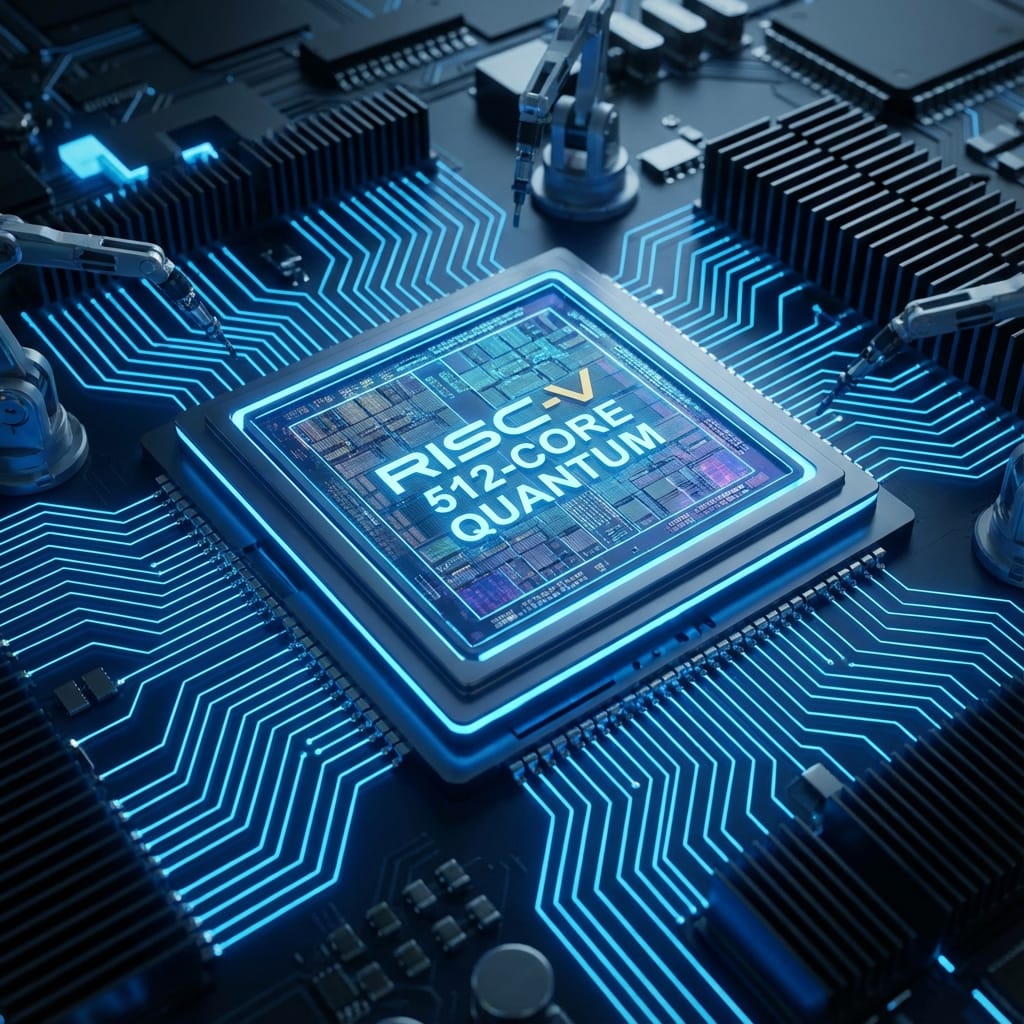
- RISC-V Architecture: An open-standard ISA utilized to create a new, high-performance execution environment. RISC-V’s modularity and simplicity are often cited as advantages for formal verification and security, crucial aspects for blockchain VMs.
- Implementation Inference: The shift necessitates creating a robust RISC-V based virtual machine wrapper or execution layer tailored for deterministic, gas-metered smart contract execution, potentially replacing the functionality previously envisioned for eWASM.
Implications
- Validation for RISC-V: Ethereum's adoption provides massive validation for the RISC-V architecture within the highly demanding decentralized computing and blockchain sector. It demonstrates RISC-V’s viability beyond traditional embedded systems.
- Ecosystem Development: This move will incentivize the development of specialized RISC-V compilers, toolchains, and hardware acceleration optimized for cryptographic primitives and VM execution specific to blockchain needs.
- Standardization of Blockchain ISAs: By choosing an open, established ISA over a custom solution (like eWASM was often seen), Ethereum pushes the industry toward greater hardware compatibility and standardization in decentralized applications.
- Performance Potential: The selection implies that core developers believe RISC-V offers a more efficient or secure path to scalability than the WebAssembly-based approach, potentially leading to faster transaction processing or reduced execution costs on the network.
Technical Deep Dive Available
This public summary covers the essentials. The Full Report contains exclusive architectural diagrams, performance audits, and deep-dive technical analysis reserved for our members.