USB module gives bare metal access to RISC-V AI chip ... - eeNews Europe
Abstract
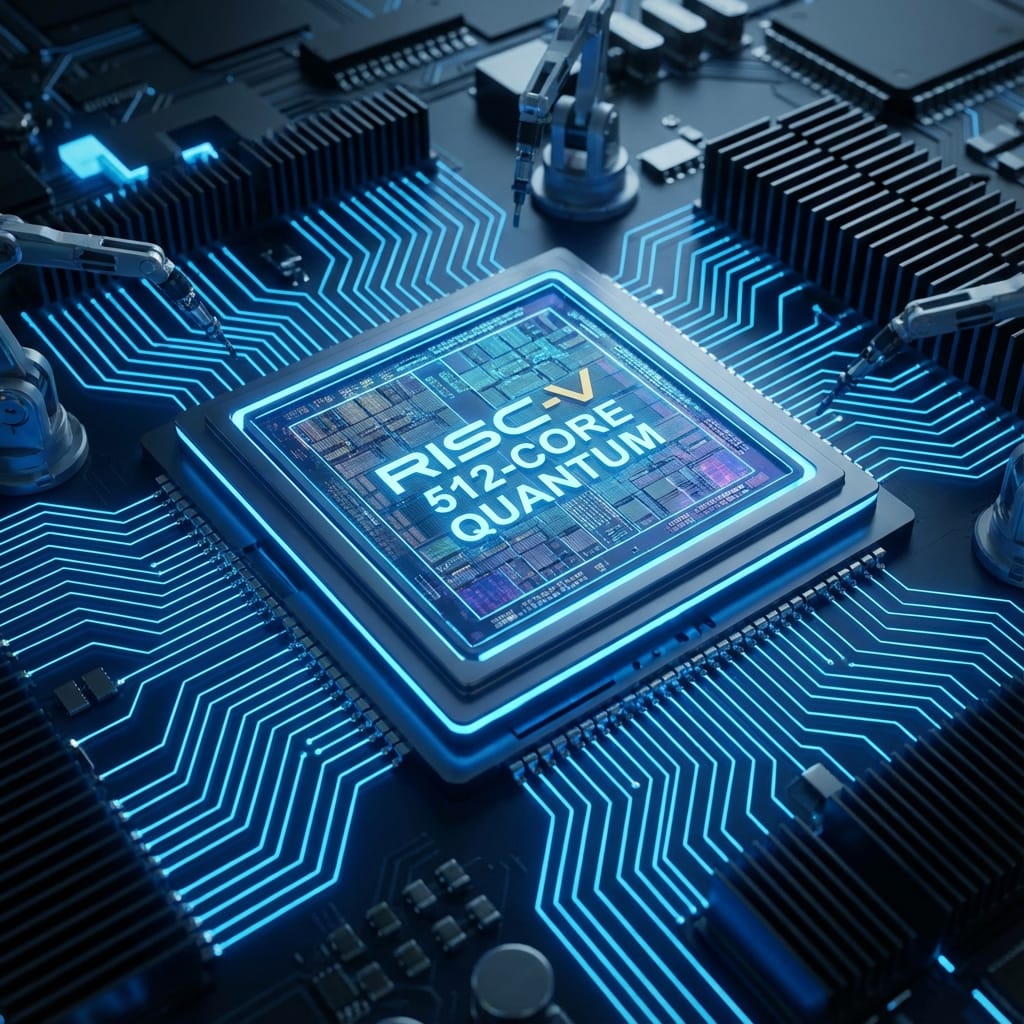
A new USB module has been launched, specifically designed to grant developers bare metal access to a dedicated RISC-V AI processor. This development simplifies low-level programming and debugging, which is essential for optimizing custom machine learning models and embedded AI applications. The solution aims to accelerate the development cycle by providing easy, direct control over the chip's hardware resources.
Report
Key Highlights
- Bare Metal Access via USB: The central innovation is utilizing a USB module to provide full, low-level control over a RISC-V AI chip, bypassing the need for complex operating systems or traditional, often proprietary, debugger setups.
- Targeted at AI Development: This capability is specifically aimed at developers creating embedded or edge AI solutions, requiring deep hardware optimization for performance and power efficiency.
- Simplified Toolchain: The module likely integrates necessary debugging and programming interfaces (like JTAG/SWD) directly into the accessible USB interface, significantly easing the initial setup process for experimentation and prototyping.
- Acceleration of RISC-V Adoption: By making specialized AI hardware easier to program at the lowest level, the module encourages greater adoption of this specific RISC-V platform in commercial projects.
Technical Details
- Target Architecture: The module interfaces with a specialized RISC-V chip architecture optimized for Artificial Intelligence tasks (likely including dedicated Neural Processing Units or tensor cores).
- Connectivity: Utilizes the universally accepted USB standard for both communication and, potentially, power delivery during the debugging phase.
- Functionality: "Bare metal access" typically implies direct control over memory maps, configuration registers, boot sequences, and offering capabilities like step-by-step code execution and breakpoint setting without OS interference.
- Development Environment: Suggests compatibility with standard RISC-V toolchains (e.g., GCC, LLVM) and potentially open-source debugging software (like OpenOCD).
Implications
- Democratization of Edge AI: The use of a simple USB module lowers the barrier to entry for smaller teams and academic researchers who need high-performance, low-level access to advanced AI hardware.
- Enhanced Performance Optimization: Bare metal access is crucial for achieving peak performance in embedded systems, allowing developers to meticulously tune initialization routines and data flows, which is vital in competitive AI/ML applications.
- Strengthening the RISC-V Ecosystem: Providing high-quality, standardized debugging solutions removes a key friction point for RISC-V platform developers, fostering trust and accelerating the maturity of the RISC-V ecosystem against entrenched architectures like Arm.
- Customization Potential: Direct hardware control enables deep customization of bootloaders and firmware, supporting highly specialized, secure, or resource-constrained applications that cannot tolerate the overhead of standard operating systems.
Technical Deep Dive Available
This public summary covers the essentials. The Full Report contains exclusive architectural diagrams, performance audits, and deep-dive technical analysis reserved for our members.