The ARM Killer? Jim Keller’s Tenstorrent Unleashes Ascalon RISC-V IP to Disrupt the Data Center - FinancialContent
Abstract
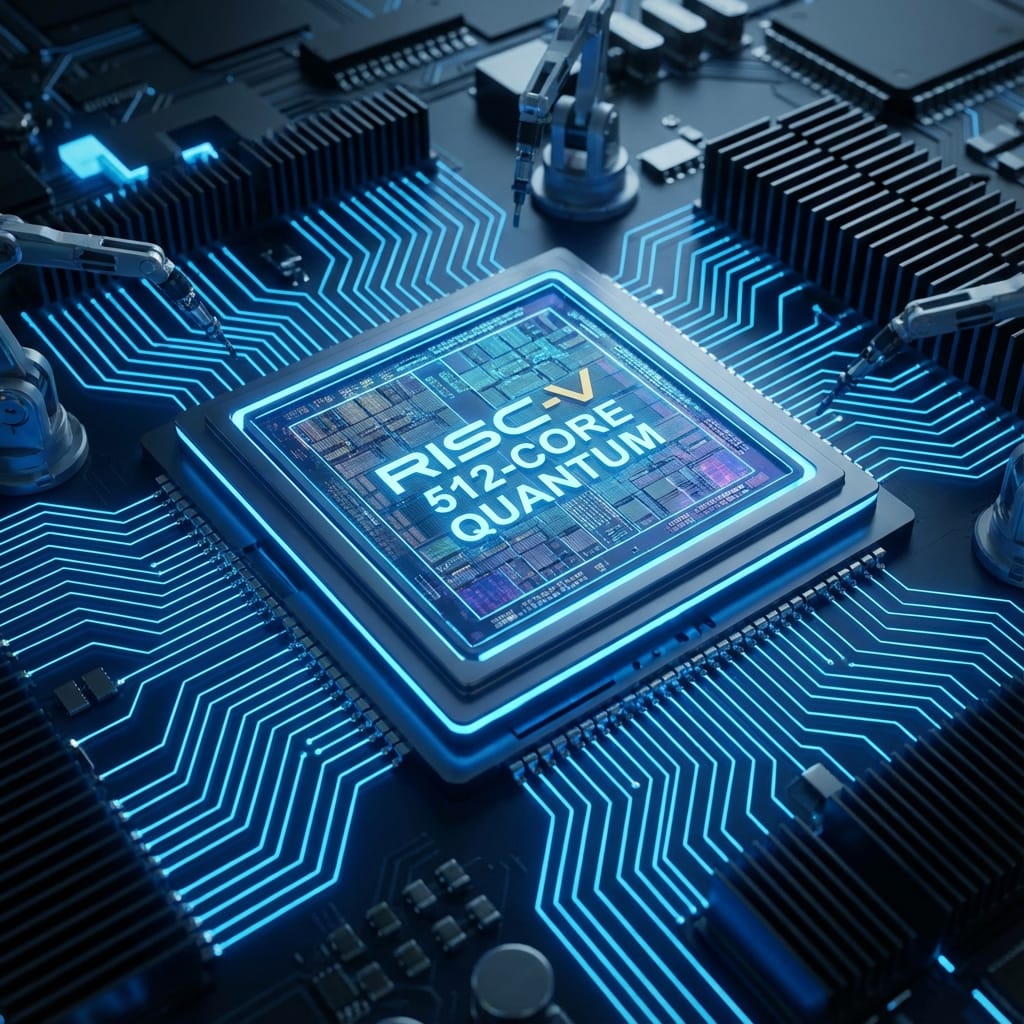
Tenstorrent, led by legendary chip architect Jim Keller, has announced the launch of Ascalon, a new high-performance RISC-V processor intellectual property (IP) core. This powerful new design is explicitly aimed at disrupting the lucrative data center market, posing a direct threat to the dominance of established ARM and x86 architectures. The introduction of Ascalon significantly validates the RISC-V ecosystem's capability to deliver state-of-the-art server-grade computing solutions.
Report
Analysis Report: Tenstorrent Ascalon RISC-V IP
Key Highlights
- High-Profile Leadership: The initiative is spearheaded by Jim Keller, one of the industry's most respected CPU architects, known for his work at AMD, Apple, and Tesla, lending immediate credibility to the new design.
- Product Launch: Tenstorrent has released its Ascalon RISC-V processor IP core.
- Target Market: The IP is strategically aimed at high-performance applications within the data center, including servers, high-end compute, and AI accelerators.
- Competitive Stance: Ascalon is explicitly positioned as a potent competitor, aiming to challenge ARM's growing presence and potentially 'disrupt' the established server CPU market.
- Architecture Choice: The decision to utilize RISC-V demonstrates confidence in the open standard's viability for demanding enterprise and performance-critical workloads.
Technical Details
- Architecture Base: Uses the open-standard RISC-V Instruction Set Architecture (ISA).
- Product Type: Licensed Intellectual Property (IP) core, intended for integration into custom System-on-Chips (SoCs) by semiconductor firms and hyperscalers.
- Performance Profile (Inferred): Given the data center target and Keller's reputation, Ascalon is engineered as a high-performance core—likely featuring advanced, complex microarchitecture necessary to achieve competitive Instructions Per Cycle (IPC) required for demanding enterprise applications.
- Integration Strategy (Inferred): The core is designed to be highly efficient and easily integrated, potentially optimized to work alongside Tenstorrent's dedicated machine learning (ML) acceleration technology.
Implications
- RISC-V Ecosystem Maturity: Ascalon's entry validates RISC-V as a serious, high-performance contender, signaling the architecture’s readiness for deployment in the most demanding compute environments (servers and cloud infrastructure).
- Increased Competition: The arrival of a Jim Keller-designed core puts significant competitive pressure on ARM's Neoverse line of server CPUs, forcing both ARM and established x86 vendors to rapidly innovate to maintain performance leads.
- Driving Custom Silicon: The availability of top-tier, readily licensable RISC-V IP lowers the barrier for large cloud providers (hyperscalers) and specialized hardware companies to design truly custom chips tailored specifically to their massive, unique data center workloads.
- Hardware Democratization: This move accelerates the shift away from proprietary licenses towards an open standard for core components, fostering greater choice and innovation in the semiconductor industry.
Technical Deep Dive Available
This public summary covers the essentials. The Full Report contains exclusive architectural diagrams, performance audits, and deep-dive technical analysis reserved for our members.