Prevention of Microarchitectural Covert Channels on an Open-Source 64-bit RISC-V Core
Abstract
This paper addresses the prevention of microarchitectural covert channels that exploit shared hardware resources to leak information across OS security boundaries, focusing on the open-source 64-bit RISC-V Ariane core. Initial attempts using software-only time protection mechanisms in the seL4 microkernel proved expensive and incomplete against five evaluated channels. The key innovation is the addition of a single-instruction RISC-V ISA extension designed to flush microarchitectural state, which closes all evaluated covert channels efficiently and with minimal overhead.
Report
Prevention of Microarchitectural Covert Channels on an Open-Source 64-bit RISC-V Core
Key Highlights
- Problem Addressed: Information leakage via microarchitectural covert channels, which exploit timing variations resulting from competition for limited hardware resources.
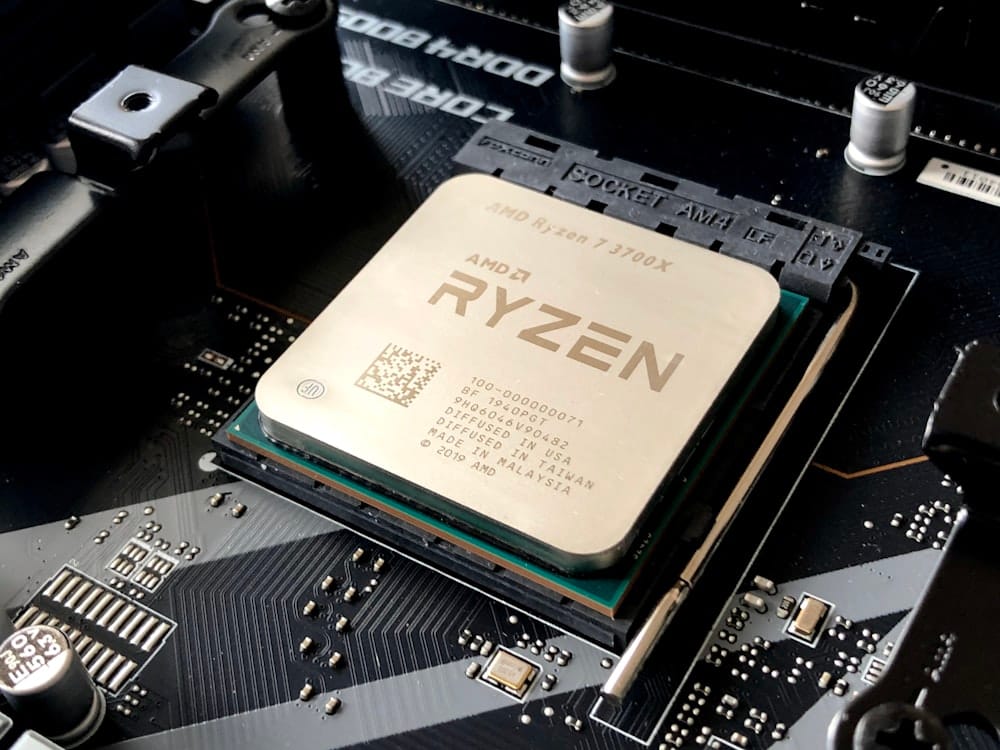
- Target System: Evaluation was performed on Ariane, an open-source 64-bit application-class RISC-V core.
- Defenses Tested: The efficacy of experimental time protection support within the seL4 microkernel was assessed against five known covert channels.
- Finding: Software-only defenses were confirmed to be both costly and incomplete in mitigating these channels without dedicated hardware support.
- Solution: Introduction of a single-instruction extension to the RISC-V ISA specifically designed to flush microarchitectural state.
- Outcome: This hardware support enables the operating system to successfully close all five evaluated covert channels with minimal impact on performance.
Technical Details
- Architecture Tested: Ariane (64-bit, application-class RISC-V core).
- Security Context: Utilizes the seL4 microkernel's experimental support for time protection.
- Vulnerability Type: Microarchitectural covert channels (timing attacks) that leverage shared resources (e.g., caches, buffers).
- Proposed Mechanism: A new, single instruction added to the RISC-V ISA.
- Functionality: The instruction flushes volatile microarchitectural state, effectively sanitizing the shared resources during security domain transitions (context switches).
- Performance Impact: The proposed mechanism resulted in a low increase in context switch costs and negligible additional hardware overhead.
Implications
- RISC-V Security Baseline: This research demonstrates that purely software-based security mechanisms are insufficient for robustly preventing complex microarchitectural timing attacks on modern RISC-V architectures.
- ISA Extension Necessity: It strongly argues that a hardware mechanism, packaged as an ISA extension for state flushing, is essential for achieving high security guarantees (e.g., COTS evaluation criteria) on RISC-V implementations.
- Ecosystem Development: The successful implementation on Ariane provides a blueprint for security-critical RISC-V implementations, pushing for the standardization or widespread adoption of similar security-focused microarchitectural control instructions across the open-source hardware community.
- Microkernel Validation: Validates the seL4 kernel's efforts in time protection while highlighting the need for underlying processor support to make those efforts effective and practical.
Technical Deep Dive Available
This public summary covers the essentials. The Full Report contains exclusive architectural diagrams, performance audits, and deep-dive technical analysis reserved for our members.