Nvidia's CUDA platform now supports RISC-V — support brings open source instruction set to AI platforms, joining x86 and Arm - Tom's Hardware
Originally published on Google News - RISC-V
Nvidia's CUDA platform now supports RISC-V — support brings open source instruction set to AI platforms, joining x86 and Arm Tom's Hardware
AI Analysis
Analysis Report: Nvidia CUDA and RISC-V Support
Key Highlights
- CUDA Compatibility Expansion: Nvidia's CUDA platform, the leading software stack for parallel computing and AI acceleration, now officially supports the RISC-V instruction set.
- Joining the Majors: RISC-V is integrated as a viable host CPU architecture, standing alongside the industry incumbents, x86 and Arm.
- AI Focus: The support is explicitly aimed at AI platforms, allowing developers to use open-source hardware cores to manage high-end GPU operations.
- Open Source Meets Proprietary Standard: This decision links Nvidia's dominant, proprietary AI software environment (CUDA) with the rapidly growing, royalty-free RISC-V hardware ecosystem.
Technical Details
- CUDA Platform: CUDA is Nvidia's specialized parallel computing architecture that enables software developers to utilize Nvidia GPUs for general-purpose processing (GPGPU) beyond graphics rendering.
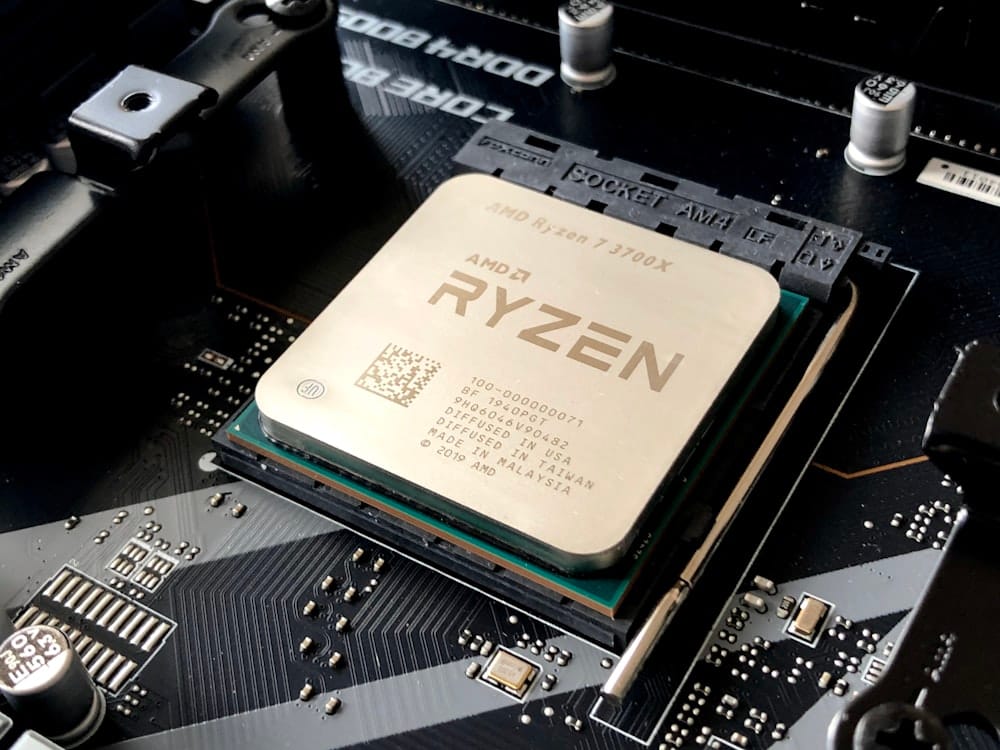
- Supported Architectures: The integration means that RISC-V processors can now serve as the host CPUs responsible for running the operating system, managing memory, and launching computational kernels onto the Nvidia GPU.
- RISC-V ISA: RISC-V is an open-source, royalty-free instruction set architecture, offering high flexibility for customization and implementation, unlike the licensed Arm architecture or proprietary x86 architecture.
- Implementation Requirement: Supporting RISC-V necessitates adapting the CUDA runtime libraries, drivers, and associated toolchains (compilers, debuggers) to successfully compile and execute code on RISC-V host systems.
Implications
- Massive Validation for RISC-V: This support from Nvidia, a key pillar of the AI industry, provides immense legitimacy and market momentum to the RISC-V ecosystem, especially within high-performance computing.
- Hardware Innovation and Customization: Hardware designers gain the ability to build highly customized, domain-specific AI hardware accelerators centered around RISC-V host processors, without sacrificing access to the crucial CUDA software stack.
- Increased Competition in Compute: The integration intensifies competition in the CPU market by offering a fully open alternative to Arm in system designs that require robust GPU acceleration.
- Sovereign Computing: For nations or companies seeking greater control over their computing infrastructure, RISC-V offers a pathway for sovereign hardware development that can still leverage the globally standardized CUDA environment for AI development.