
Nvidia CUDA gets RISC-V support - theregister.com
Abstract
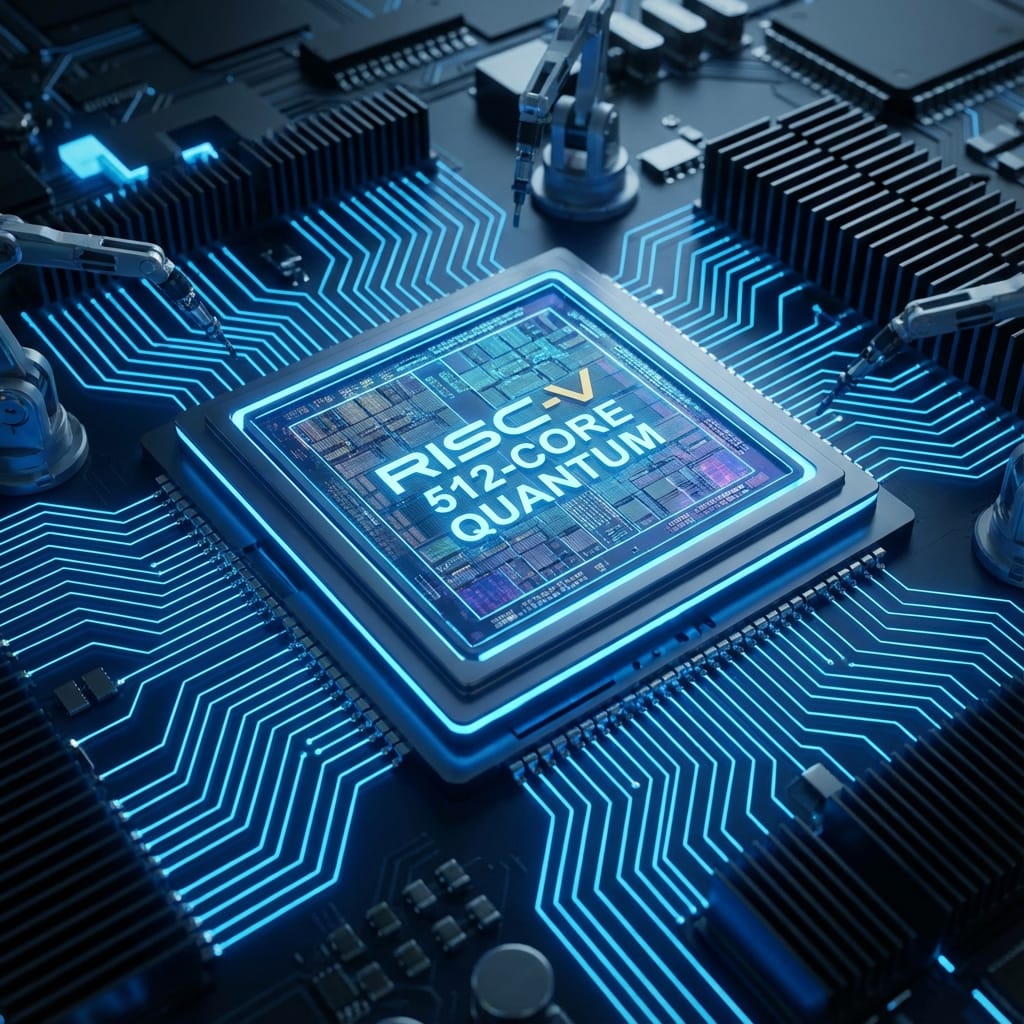
Nvidia has announced support for the open standard RISC-V instruction set architecture within its proprietary CUDA parallel computing platform. This strategic expansion broadens the reach of CUDA beyond traditional x86 and ARM architectures, significantly enhancing its role as an architecture-agnostic acceleration standard. The integration enables developers to utilize Nvidia's powerful AI and HPC tools on customizable, open-source RISC-V hardware designs.
Report
Key Highlights
- CUDA Expansion: Nvidia is officially porting its CUDA ecosystem to support the RISC-V architecture, expanding its host platform compatibility.
- Architecture Agnostic Strategy: This move positions CUDA as a primary parallel computing standard, independent of the underlying host CPU (Intel/AMD x86, ARM, or RISC-V).
- Open Standard Adoption: The support validates RISC-V's growing relevance in high-performance computing (HPC) and data center environments.
- Software Ecosystem Boost: RISC-V gains access to Nvidia's robust, mature, and widely adopted software tools and developer base.
Technical Details
- Compiler Toolchain: The support necessitates modifications to the CUDA compiler (
nvcc) and related toolchains to generate executables compatible with the RISC-V ISA. - Runtime Layer Integration: The CUDA runtime library must be adapted to function seamlessly on RISC-V operating systems, handling kernel launches, memory management, and synchronization between the host RISC-V CPU and the Nvidia GPU accelerator.
- Host-Device Communication: The implementation ensures the efficient transport of data and control signals between the RISC-V host system and Nvidia GPUs (likely over technologies like PCIe or NVLink).
- Targeted Use: While applicable broadly, the primary technical focus is enabling RISC-V systems to manage and drive Nvidia acceleration hardware for compute-intensive tasks like AI training and inference.
Implications
- Democratization of HPC: By adopting RISC-V, Nvidia opens its leading acceleration technology to hardware designers who prioritize customization and open standards, potentially reducing reliance on specific proprietary CPU vendors.
- Boost for RISC-V Ecosystem: Access to CUDA, the de facto standard for GPU programming, provides RISC-V with critical credibility and a massive software advantage necessary for serious deployment in enterprise and hyperscale data centers.
- Future Heterogeneous Computing: This support accelerates the trend of heterogeneous computing, allowing chip makers to design specialized, power-efficient RISC-V cores tailored for specific tasks (e.g., control plane, networking) while delegating intensive parallel work to Nvidia GPUs via CUDA.
- Nvidia's Strategic Dominance: The move helps Nvidia future-proof CUDA, ensuring its programming model remains dominant even if competing CPU architectures gain significant market share, protecting its software moat.
Technical Deep Dive Available
This public summary covers the essentials. The Full Report contains exclusive architectural diagrams, performance audits, and deep-dive technical analysis reserved for our members.



