Is China's RISC-V Pivot Undermining Arm's Growth Prospects? - Yahoo Finance
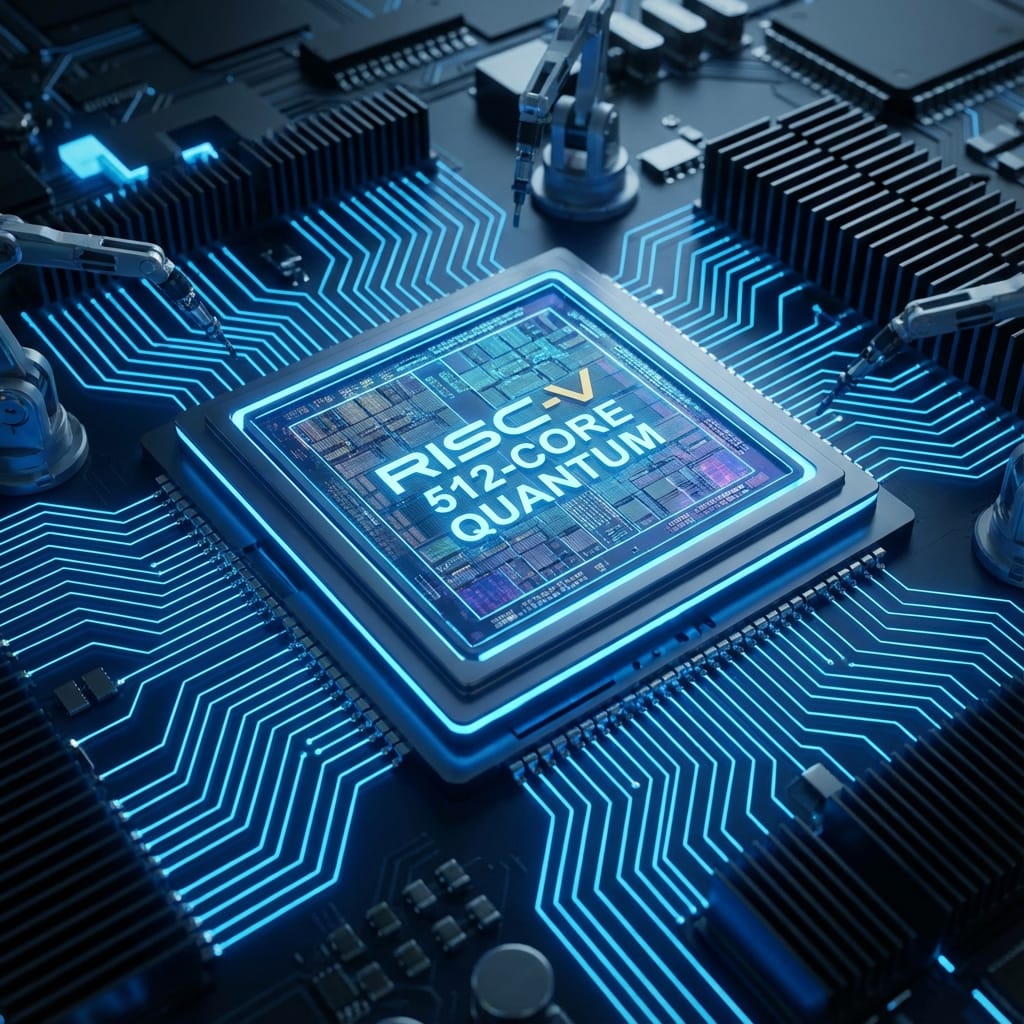
Originally published on Google News - RISC-V
Is China's RISC-V Pivot Undermining Arm's Growth Prospects? Yahoo Finance
AI Analysis
Key Highlights
- Strategic Pivot: China is actively promoting and investing heavily in RISC-V technology as a strategic alternative to the globally dominant, but proprietary, Arm architecture.
- Geopolitical Drivers: The accelerated adoption is largely fueled by concerns over export controls and the desire to secure technological independence, bypassing licensing structures controlled by Western entities.
- Arm's Vulnerability: The pivot potentially undermines Arm's revenue growth, especially given that China represents a significant portion of the global semiconductor market and a crucial source of licensing revenue for Arm.
- Focus Areas: RISC-V is gaining significant traction in embedded systems, IoT devices, automotive chips, and specialized AI accelerators within the Chinese market, challenging Arm in these high-growth sectors.
Technical Details
- Open ISA: RISC-V is characterized by its open-standard Instruction Set Architecture, meaning companies can implement, customize, and extend the architecture without paying licensing fees or being beholden to geopolitical restrictions on foundational IP.
- Customization: The modular nature of RISC-V allows Chinese semiconductor firms to quickly develop highly specialized, localized System-on-Chips (SoCs) tailored specifically for domestic applications, unlike the more standardized core offerings typical of Arm licensees.
- Ecosystem Development: The pivot necessitates rapid development of the domestic software and toolchain ecosystem (compilers, debuggers, operating system support) necessary for robust deployment of RISC-V chips, challenging the existing, mature Arm ecosystem.
Implications
- Market Fragmentation: The success of the Chinese RISC-V pivot could lead to greater market fragmentation, accelerating the diversification of CPU architectures away from Arm's near-monopoly, particularly outside of premium mobile computing.
- Supply Chain Resilience: For China, this shift provides a crucial pathway to building a resilient domestic semiconductor supply chain that is inherently protected from potential future international sanctions or trade restrictions imposed on proprietary IP.
- Competitive Pressure on Arm: Arm will face increasing pressure to adapt its licensing models and demonstrate clear performance advantages to maintain dominance. The challenge is amplified by the fact that RISC-V can often provide a compelling performance-per-watt and cost advantage in non-high-end applications.
- Global Standard War: The rapid investment will solidify RISC-V as a viable global competitor to established ISAs, driving innovation and competition in core microprocessor IP development worldwide.