ESP32-C6 development board features 1.8-inch AMOLED touch display, built-in mic and speaker, IMU, RTC, and more
Abstract
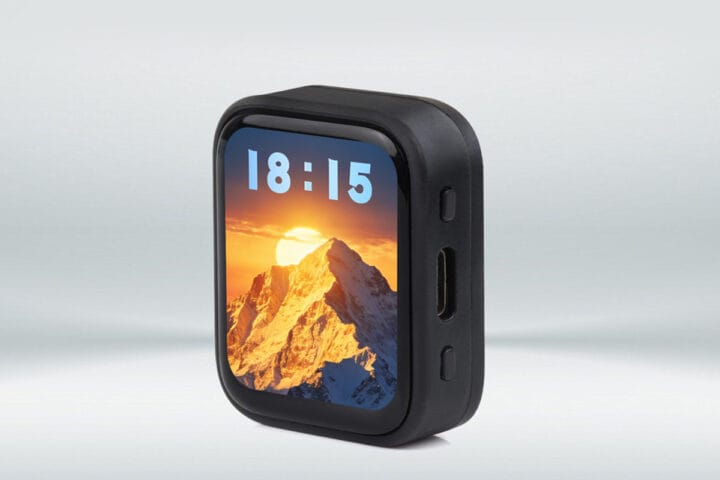
Waveshare introduces the ESP32-C6-Touch-AMOLED-1.8, a compact development board leveraging the ESP32-C6 SoC, which features a single-core 32-bit RISC-V CPU and comprehensive wireless connectivity including Wi-Fi 6, Bluetooth 5 LE, Zigbee, and Thread. The board integrates a high-quality 1.8-inch capacitive AMOLED touch display (368x448), along with essential peripherals like a 6-axis IMU, RTC, and an audio codec. This highly integrated platform is optimized for designing advanced HMI, smart home control panels, and portable IoT devices.
Report
Key Highlights
- New Product Launch: Waveshare ESP32-C6-Touch-AMOLED-1.8 development board.
- Core Processor: Utilizes the Espressif Systems ESP32-C6 wireless SoC.
- Advanced Connectivity: Supports 2.4 GHz Wi-Fi 6, Bluetooth 5 LE, Zigbee, and Thread protocols, enabling multiprotocol IoT applications.
- High-Quality Display: Features a 1.8-inch capacitive AMOLED display with 368 x 448 resolution and 16.7 million colors.
- Integrated Peripherals: Includes a 6-axis IMU, Real-Time Clock (RTC), audio codec (mic and speaker), and a microSD card slot.
- Power Management: Managed by an AXP2101 PMIC, offering robust support for Li-ion battery charging.
Technical Details
- SoC: Espressif Systems ESP32-C6.
- CPU Architecture: Single-core 32-bit RISC-V, clocked up to 160 MHz.
- Memory/Storage: 16 MB external flash, dedicated microSD card slot.
- Display Specifications: 1.8-inch AMOLED, 368 × 448 resolution, capacitive touch functionality.
- Connectivity Standards: Wi-Fi 6, Bluetooth 5 (LE), Zigbee, Thread (multiprotocol capabilities).
- I/O and Interface: USB-C port for power and programming, GPIO pads, I²C, UART, and USB interfaces.
- Target Applications: Smart home control panels, wearable/handheld IoT devices, voice-enabled assistants, data loggers, and HMI-focused embedded prototypes.
Implications
- Strengthening RISC-V HMI: The board demonstrates the increasing adoption of RISC-V architecture (via the ESP32-C6) in products requiring high-quality human-machine interfaces (HMI) and advanced graphics capabilities, pushing the RISC-V ecosystem beyond simple microcontrollers.
- Facilitating Multiprotocol IoT: By natively supporting the simultaneous use of Wi-Fi 6, Bluetooth, Zigbee, and Thread, the board is an excellent platform for developing Matter-compliant devices and complex smart home hubs, significantly simplifying device interoperability challenges for developers.
- Enabling Compact, Feature-Rich Prototypes: The high level of integration—combining a vivid AMOLED screen, audio, IMU, and sophisticated power management in a small form factor—allows engineers to rapidly prototype commercial-grade wearables and portable dashboards without extensive custom circuitry.
Technical Deep Dive Available
This public summary covers the essentials. The Full Report contains exclusive architectural diagrams, performance audits, and deep-dive technical analysis reserved for our members.