Bolt Graphics unveils Zeus GPU built on RISC-V and path tracing tech - theregister.com
Abstract
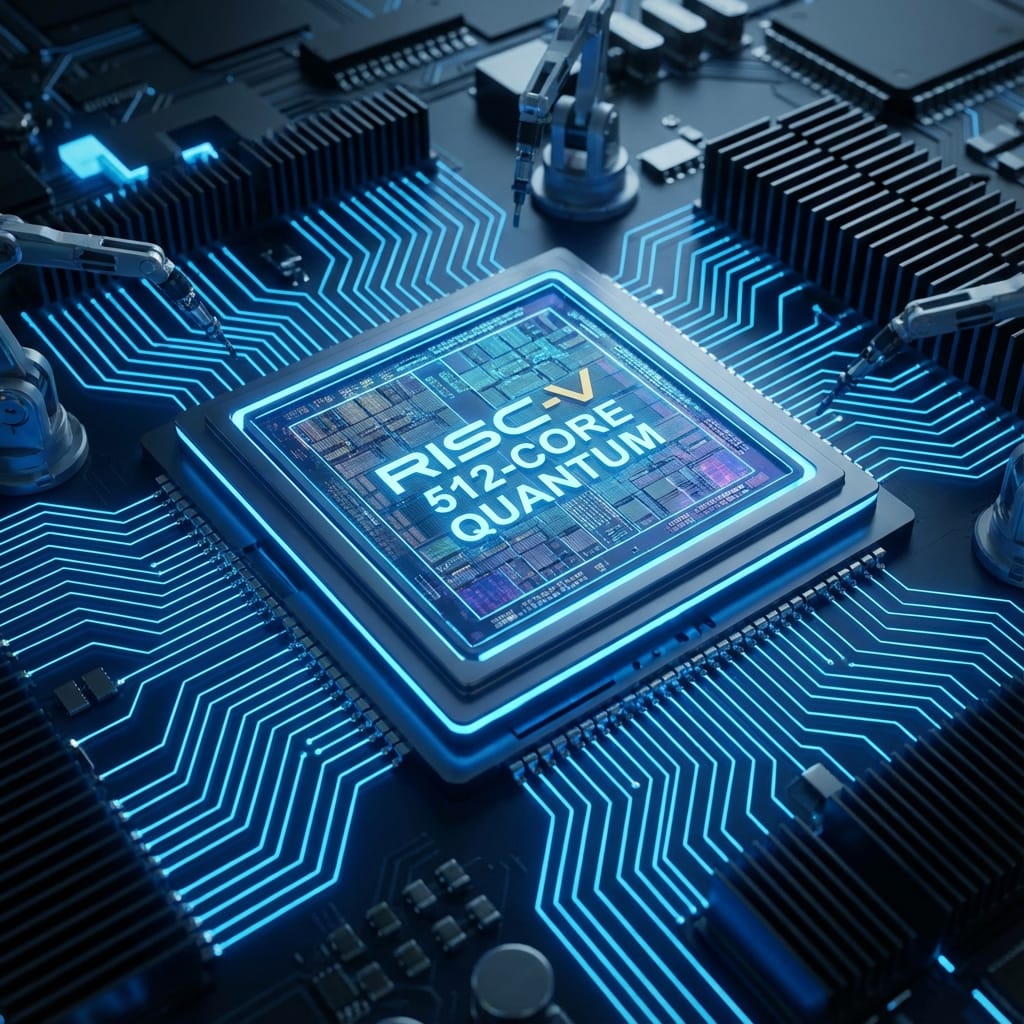
Bolt Graphics has announced the Zeus GPU, a new graphics processing unit built entirely upon the open-source RISC-V instruction set architecture. The Zeus GPU distinguishes itself by incorporating advanced path tracing technology, which promises high-fidelity rendering performance. This unveiling marks a significant development for the RISC-V ecosystem, demonstrating its viability in the highly specialized and demanding market of dedicated graphics hardware.
Report
Bolt Graphics Zeus GPU Analysis
Key Highlights
- Product Announcement: Bolt Graphics introduced the Zeus GPU, positioning itself as a new player in the graphics processing market.
- RISC-V Foundation: The core design of the Zeus GPU utilizes the open-source RISC-V ISA, rejecting reliance on proprietary instruction sets like x86 or traditional proprietary GPU architectures.
- Rendering Focus: The GPU is specifically highlighted for its use of path tracing technology, indicating a focus on modern, highly realistic rendering methods.
- Industry Disruption: The announcement represents a major step toward validating RISC-V architecture for complex, high-performance computing tasks outside of CPU or low-power embedded applications.
Technical Details
- Architecture: RISC-V Instruction Set Architecture (ISA).
- Product Name: Zeus GPU.
- Key Rendering Method: Path tracing, which calculates light paths for high-quality global illumination and realistic visual effects.
- Design Philosophy: The use of RISC-V implies a foundational commitment to open standards in hardware design.
Implications
- RISC-V Ecosystem Growth: The Zeus GPU provides strong evidence that the RISC-V architecture is mature enough to support highly specialized and demanding hardware like dedicated graphics cards, attracting further investment and development in the ecosystem.
- Competition and Openness: By adopting RISC-V, Bolt Graphics offers an alternative to the currently dominant proprietary GPU ecosystems (primarily NVIDIA and AMD), potentially increasing competition and driving innovation through open hardware standards.
- Advanced Rendering Accessibility: Integrating path tracing acceleration at the hardware level signals that advanced rendering techniques are becoming standard, further pushing the boundary of real-time graphics capability using an open platform.
- Future Market Potential: Success of the Zeus GPU could catalyze the creation of a standardized, open GPU API and driver stack built specifically for RISC-V hardware, addressing a key challenge currently faced by non-traditional graphics architectures.
Technical Deep Dive Available
This public summary covers the essentials. The Full Report contains exclusive architectural diagrams, performance audits, and deep-dive technical analysis reserved for our members.